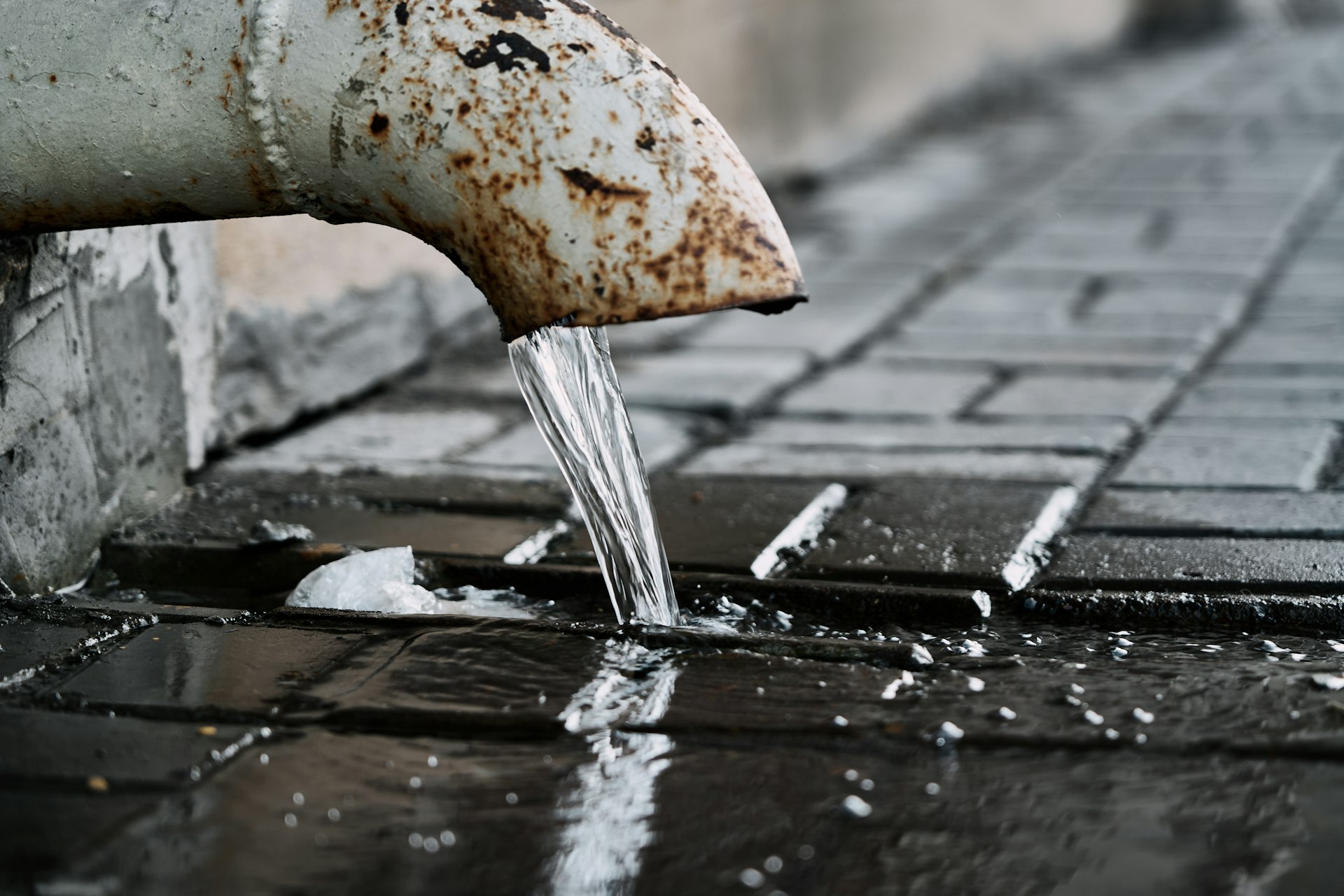
Old pipes · November 6, 2026
Galvanized Pipes in Older Phoenix Homes
How to tell what you have, the warning signs and your options.
Read the guide
Published November 6, 2026 · Maryvale Water Damage Help
Phoenix has some of the hardest tap water in the country. That mineral load settles inside your water heater every day, and it shortens the tank's life.
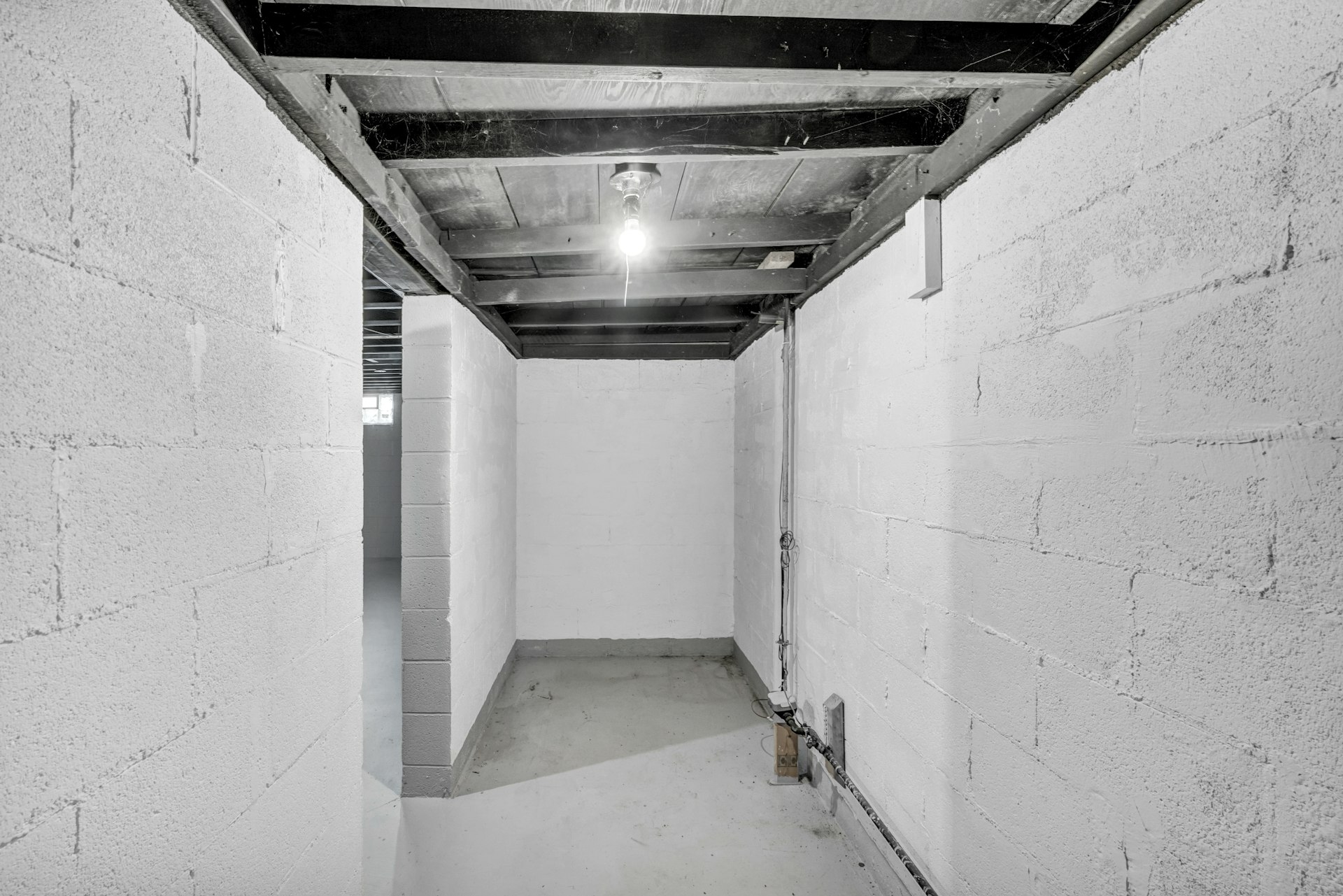
Hard water carries dissolved calcium and magnesium. When water is heated, those minerals come out as sediment and settle at the bottom of the tank. The layer insulates the water from the burner or element, so the heater works harder and runs hotter at the bottom. It makes popping or rumbling sounds, wastes energy and stresses the steel. Meanwhile, the anode rod that protects the tank from rust is used up faster.
Many tank water heaters in the Phoenix area last around eight to twelve years. Some fail sooner, some last longer with good upkeep. The manufacture date is printed on the label, sometimes in a code in the serial number. If yours is near ten years old, plan for a replacement.

Water on the floor right now? Call (623) 269-8054 for a local provider.Open 24/7 · Talk to a local provider in Maryvale
Call 24/7 (623) 269-8054Rust at the base of the tank or around fittings, rusty hot water, popping noises, water around the tank, a relief valve that drips often and hot water running out faster than it used to are all warning signs. Any water around the base should be checked right away.
Many Maryvale water heaters sit in a garage corner, a laundry room or a hall closet. In a garage, water spreads under stored boxes and toward the wall shared with the house. In a closet, it soaks the hallway and the walls of rooms next to it. A 40 or 50 gallon tank can empty in minutes and keep refilling until the cold supply is closed.
Ceiling stain after a storm? Talk it through on the phone.Open 24/7 · Talk to a local provider in Maryvale
Call 24/7 (623) 269-8054Flushing a few gallons from the drain valve once or twice a year removes some sediment. Testing the relief valve once a year keeps it from sticking. A plumber can check and replace the anode rod. If the tank has never been flushed and is many years old, ask a plumber first, since an old drain valve may leak once opened.
A drain pan under the tank with a line to a drain or outside catches small leaks. A battery leak alarm on the floor beside the tank sounds when water appears. Some smart shut-off valves close the water supply automatically. These cost little next to drying a garage and hallway.
A water softener reduces scale in the heater and pipes. Softeners have their own brine tanks and fittings that can leak, so check them when you check the water heater.
Rusty water and a wet wall? Ask about old pipe leaks.Open 24/7 · Talk to a local provider in Maryvale
Call 24/7 (623) 269-8054Tankless heaters hold no stored water, so they cannot dump 50 gallons on the floor, but they need regular descaling in hard water. A licensed plumber can explain the trade-offs for your home.
Close the cold valve above the tank. Turn the gas to pilot or off, or switch off the breaker for an electric heater. Catch water and move belongings. Call a plumber for the heater and a restoration company to dry the area; see swamp cooler and water heater leaks.
Many heaters are set hotter than needed. A setting around 120 degrees Fahrenheit reduces scale buildup, saves energy and lowers the risk of scalding. Ask a plumber before changing gas settings if you are unsure.
Water on the floor right now? Call (623) 269-8054 for a local provider.Open 24/7 · Talk to a local provider in Maryvale
Call 24/7 (623) 269-8054When water heats, it expands. In homes with certain valves on the main line, that pressure has nowhere to go and stresses the tank and relief valve. An expansion tank gives it room. A plumber can tell you if your home needs one.
Get a quote before the old tank fails. Ask about a drain pan, a leak alarm, an expansion tank if needed and haul-away of the old unit. Replacing on your schedule costs less than an emergency call at midnight plus drying a flooded garage.
Water spreading from the water heater? Close the cold valve above the tank, shut off the gas or power and call (623) 269-8054 for a local provider who can start drying the same day.
Ceiling stain after a storm? Talk it through on the phone.Open 24/7 · Talk to a local provider in Maryvale
Call 24/7 (623) 269-8054Gas heaters have a burner at the bottom where sediment collects and causes popping. Electric heaters have elements that scale up and burn out. Both benefit from flushing and both wear faster in hard water.
Know the age of your tank, add a pan and a leak alarm, and replace it before it fails on its own schedule.
Hard water wears out tanks faster in Phoenix. Know your heater's age, watch for rust and water at the base, add a pan and alarm, and replace it on your schedule, not at midnight.
Questions about water heaters and phoenix hard water? Call (623) 269-8054 to reach a local Maryvale provider, 24 hours a day.
Rusty water and a wet wall? Ask about old pipe leaks.Open 24/7 · Talk to a local provider in Maryvale
Call 24/7 (623) 269-8054Old pipes · November 6, 2026
How to tell what you have, the warning signs and your options.
Roof leaks · November 6, 2026
Why flat roofs leak, how to prepare and what to do.
Coolers · November 6, 2026
How coolers leak, the warning signs and upkeep that prevents it.
Yes, it reduces scale, though it needs its own upkeep.
It usually means sediment; have it checked.
Talk to a local provider
One call connects you with an independent restoration company that works in Maryvale and west Phoenix. They explain the plan and how the price is set before anything starts.
(623) 269-8054