
Emergency Water Removal
Water pumped and vacuumed off floors and out of carpet, any hour.
View service (623) 269-8054
A monsoon storm can drop more rain in half an hour than Phoenix sees in a month. On a flat or low-slope roof, that water has to drain fast, and when it cannot, it finds its way into the ceiling.
Maryvale Water Damage Help is a free referral service, not a restoration company. Calls are answered by independent local providers who set their own prices.

Flat roof leak damage in Maryvale is water that came through the roof into the attic space, ceiling or walls, usually during a monsoon storm. Cleanup means catching the water, checking the ceiling and insulation, removing what is soaked, drying the area, and having a licensed roofer repair the roof.
Many Maryvale homes have flat or low-slope roofs, some covered with built-up tar and gravel, some with roll roofing and many with spray polyurethane foam. Others have pitched tile or shingle roofs. Leaks start where water collects or where the roof surface meets something: scuppers, roof drains, the swamp cooler stand, vents and parapet walls. Cleanup inside means finding how far the water spread through insulation and ceiling drywall, removing what is saturated, drying the framing and attic, and protecting the room below until the roofer finishes.
Buckets under drips; belongings moved; a small hole poked in a bulging ceiling to drain it.
Attic or ceiling cavity checked for wet insulation and framing.
Saturated drywall and insulation removed; fans and dehumidifiers set.
A licensed roofer fixes the leak before ceilings are closed.
Yellow or brown rings, often near walls or the cooler.
A bulge or soft spot in the ceiling.
Water from a light fixture or vent.
Paint bubbling high on walls.
Odor in a room after storms.
Water on the floor right now? Call (623) 269-8054 for a local provider.Open 24/7 · Talk to a local provider in Maryvale
Call 24/7 (623) 269-8054On flat roofs, the usual causes are clogged scuppers or drains, ponding water, cracks in aging tar or foam, and worn seams. Spray foam roofs need a fresh protective coating every several years; when the coating wears off, the sun breaks down the foam and water gets in. Penetrations for vents, the cooler and old antenna mounts are weak points. On tile roofs, the tiles shed most water, but the underlayment beneath them wears out with age and heat, and cracked or slipped tiles let wind-driven rain reach it.
After a storm with hail or strong wind, debris can block drains and tear flashing. The cooler itself can also leak onto the roof and through the same openings; see swamp cooler leaks.
Before monsoon season, clear leaves and debris from scuppers and roof drains and look for cracks in the foam or tar around the cooler stand. Most flat roof leaks start where water cannot get off the roof.
The restoration company dries the inside of the house; a licensed roofer repairs the roof. If the roof cannot be repaired right away, ask the roofer about a temporary patch or tarp. Drying inside should not wait for the roof repair, but ceilings should not be closed until the roof is fixed.
Ceiling stain after a storm? Talk it through on the phone.Open 24/7 · Talk to a local provider in Maryvale
Call 24/7 (623) 269-8054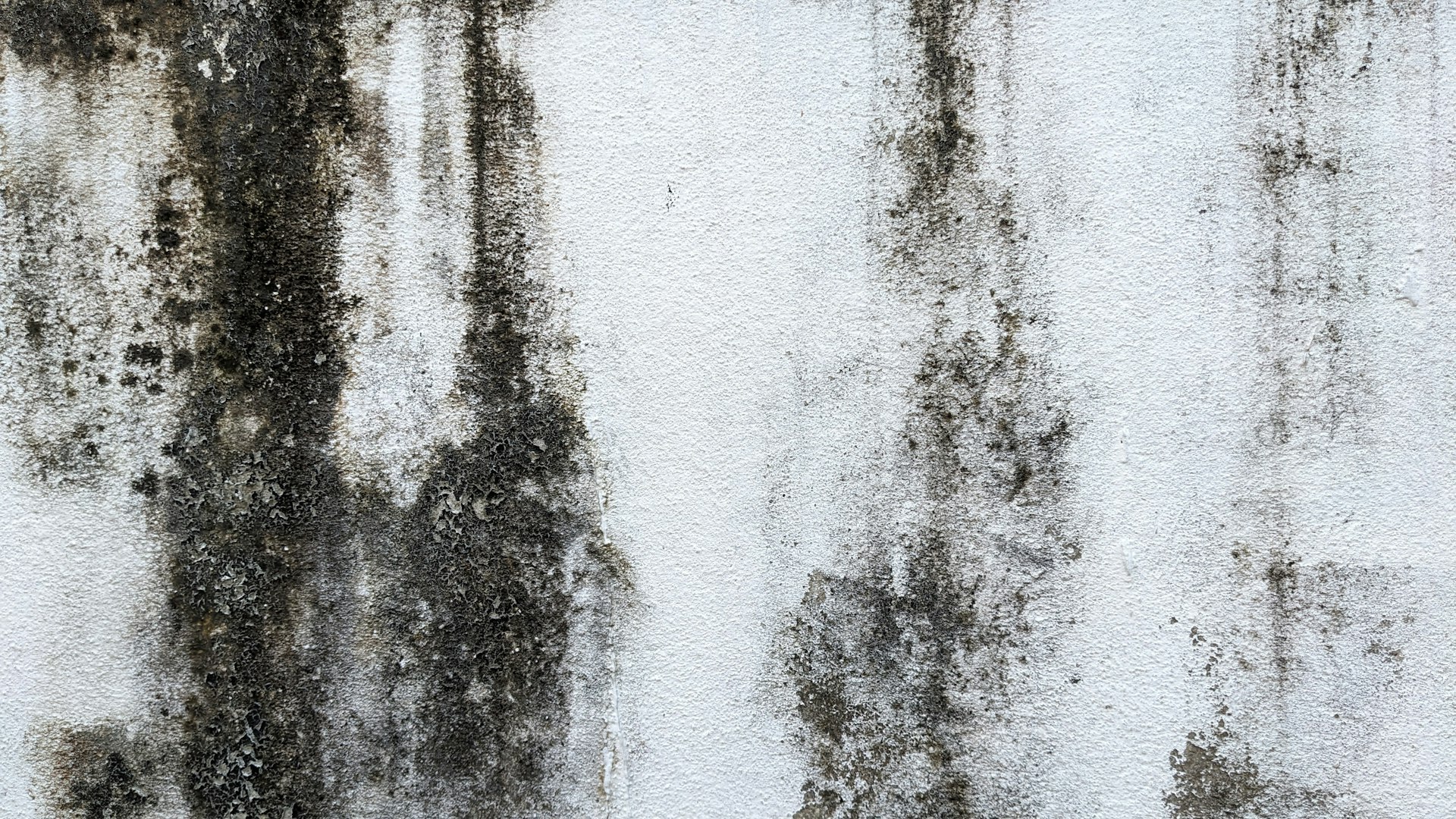
Moisture readings and a look into the ceiling cavity.
Wet insulation and drywall marked for removal.
Equipment placed in the room and ceiling cavity.
Notes and photos shared with your roofer.
Rusty water and a wet wall? Ask about old pipe leaks.Open 24/7 · Talk to a local provider in Maryvale
Call 24/7 (623) 269-8054| Roof type | Where leaks start | Upkeep |
|---|---|---|
| Spray foam | Worn coating, cracks around penetrations | Recoat every several years |
| Built-up tar and gravel | Cracked seams, ponding areas | Inspect and patch yearly |
| Roll roofing | Lifted seams and edges | Shorter life; check after storms |
| Concrete or clay tile | Underlayment under cracked or slipped tiles | Replace underlayment as it ages |
| Factor | Why it matters | What to ask on the call |
|---|---|---|
| Area affected | Rooms and how far water spread | Which rooms are wet? |
| Water category | Clean, grey or sewage | Which category is this? |
| Materials removed | Baseboard, drywall, pad, cabinets | What can dry in place? |
| Drying days | Days of equipment | How will readings be shared? |
| Ceiling and insulation | How much is soaked | Can any of it dry in place? |
Storms often hit in the evening. Catch the water, protect belongings and call (623) 269-8054. A local provider can talk you through what to do until they arrive.
Water on the floor right now? Call (623) 269-8054 for a local provider.Open 24/7 · Talk to a local provider in Maryvale
Call 24/7 (623) 269-8054A ceiling holding water can fall suddenly. Keep people and pets out from under a bulge, and never stand on a ladder under a sagging ceiling.
Before flat roof leak damage work in Maryvale, ask for the company's Arizona Registrar of Contractors license number and check it with the Arizona ROC license lookup. Plumbing and roofing repairs need ROC-licensed contractors in those trades. Ask whether the technicians hold IICRC certification, and ask for proof of liability insurance before anyone starts.
Roof leaks are a seasonal cause of water damage restoration in Maryvale. They are worst from July through September and often affect several homes on the same street after a big storm.
Ceiling stain after a storm? Talk it through on the phone.Open 24/7 · Talk to a local provider in Maryvale
Call 24/7 (623) 269-8054Blown-in insulation above a ceiling acts like a sponge. Even when only a small stain shows, a wide area of insulation can be wet and heavy, pressing on the drywall below. Wet insulation loses its value and can grow mold, so it is usually removed and replaced after the area dries.
Evaporative coolers sit on many Maryvale roofs. Their weight, the water lines running to them and the holes cut for their ducts all create places where water can get in. A cooler that overflows adds water to the roof every day it runs. If stains appear near the cooler vent, check both the cooler and the roof around its stand.
Walk around the house once the rain stops. Look for debris piled at scuppers, gravel washed off the roof, water standing near walls and gutters pulled loose. Inside, check every ceiling, the tops of walls and around windows. Write down what you find with photos that show the date. That record helps the roofer, the restoration company and your insurer.
Rusty water and a wet wall? Ask about old pipe leaks.Open 24/7 · Talk to a local provider in Maryvale
Call 24/7 (623) 269-8054A small leak that drips into a closed ceiling for several storms can grow mold on the back of the drywall and on framing. A musty smell after rain is a warning. If you suspect it, see mold removal.
Many policies cover sudden storm damage, such as wind lifting part of a roof. Many exclude leaks from an old or poorly kept roof. Photos of the storm damage, the date and a roofer's note on the cause help the claim.
Ask what caused the leak, whether the repair is a patch or a section replacement, whether foam needs recoating, and what warranty comes with the work. Ask for photos of the problem area before and after. Check the roofer's license with the Arizona ROC license lookup.
Water on the floor right now? Call (623) 269-8054 for a local provider.Open 24/7 · Talk to a local provider in Maryvale
Call 24/7 (623) 269-8054A ceiling that got wet once and was opened quickly may dry in two or three days. Ceilings that soaked through several storms, with heavy wet insulation above, often need the drywall and insulation removed and replaced after the framing dries. Daily readings tell you which situation you are in.
After a big monsoon storm, several homes on one street often have roof leaks at once, and roofers and restoration companies get busy. Calling early, catching the water and documenting the damage puts you near the front of the line. Ask the restoration provider to start drying inside even if the roofer cannot come until the next day.
Water drains slowly on a flat roof. If a scupper or drain clogs, water ponds and finds any crack or seam.
No, not during or right after a storm. Call a roofer for the roof and a restoration company for the inside.
Not always. If it dries quickly and stays firm, it may only need sealing and paint.
Sudden storm damage often is; leaks from a worn-out roof often are not. Ask your agent.
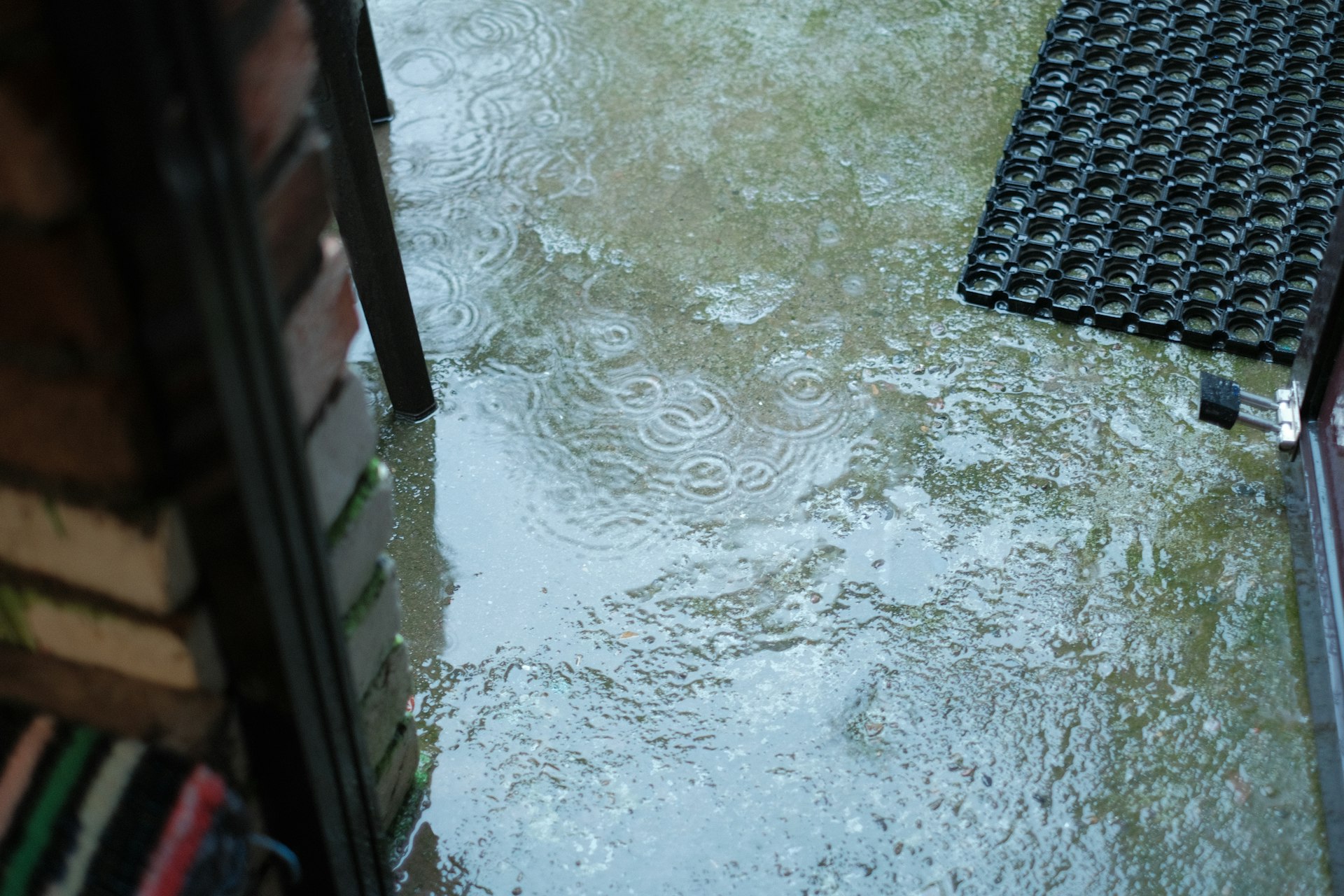
Water pumped and vacuumed off floors and out of carpet, any hour.

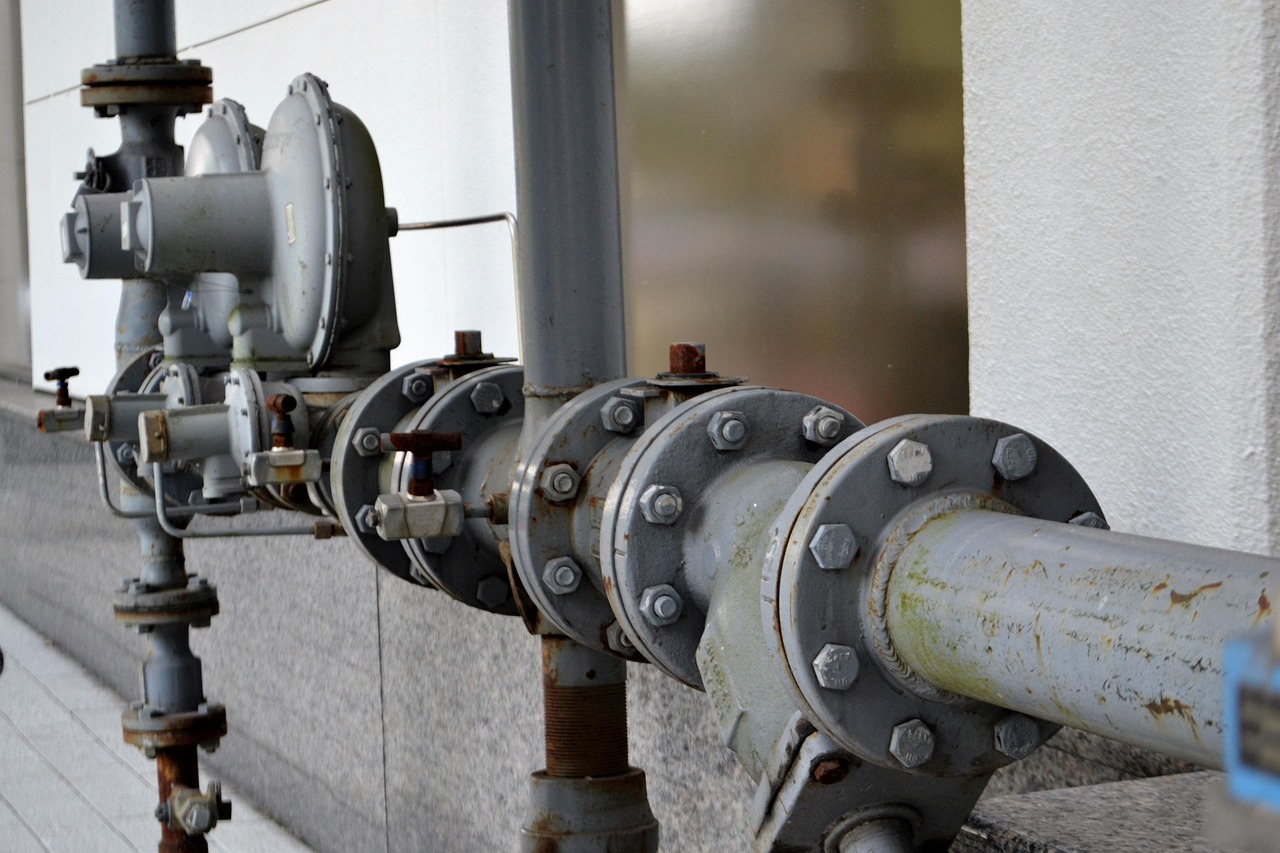
Leaks and bursts from old steel supply pipes cleaned up and dried.
Overflowing evaporative coolers and failed tanks cleaned up and dried.
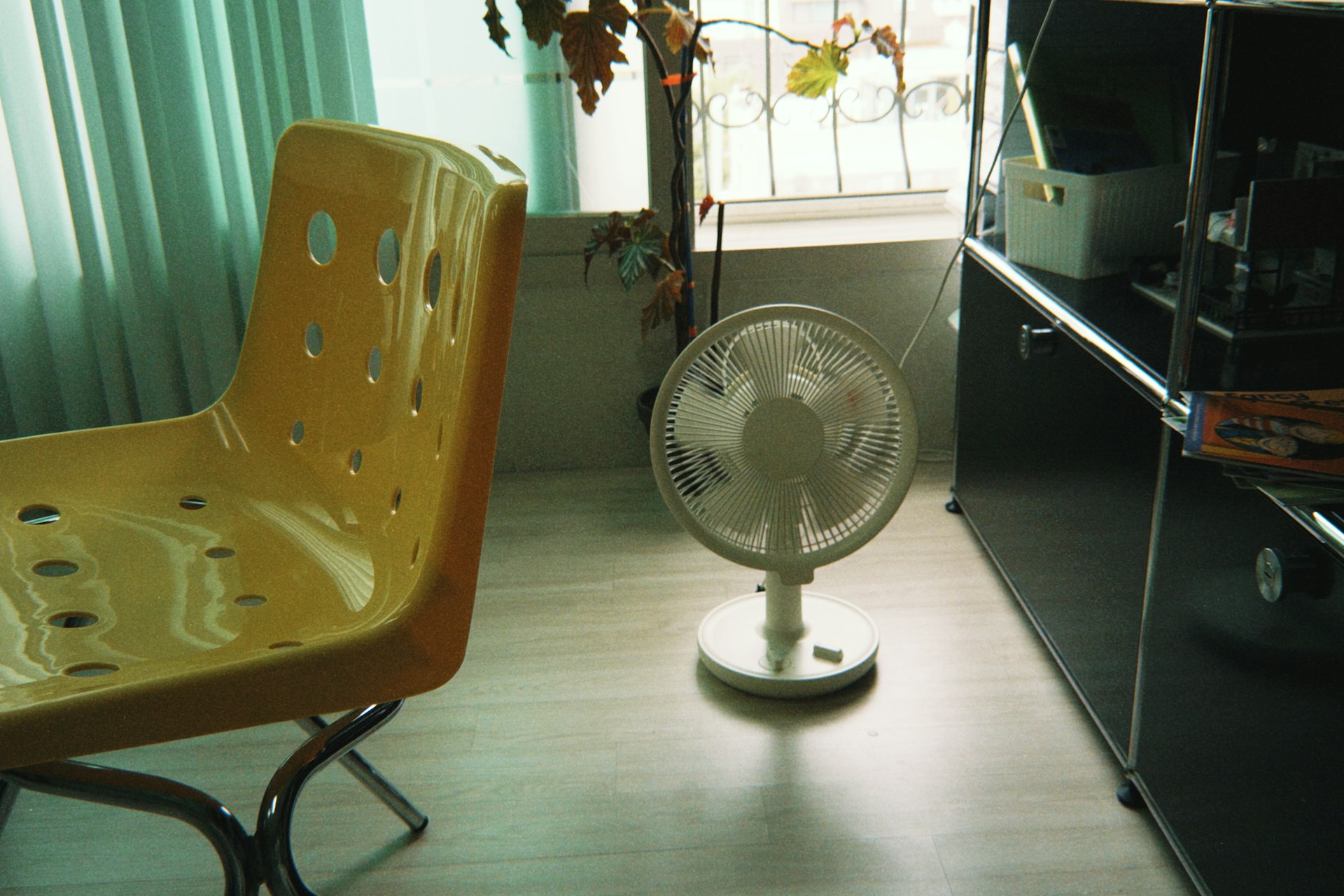
Fans and dehumidifiers dry block walls, drywall, cabinets and slab, with daily readings.
Mold after an old or hidden leak contained, removed and the moisture source fixed.
Sewage from old cast iron or clay lines removed, the area sanitized and dried.
Representative photos of the kind of work local providers handle.
Talk to a local provider
One call connects you with an independent restoration company that works in Maryvale and west Phoenix. They explain the plan and how the price is set before anything starts.
(623) 269-8054